
Before stepping into competition, fighters need proper structure, coaching,
and preparation — not rushed sparring or bad habits.
In Las Vegas and Henderson, amateur boxing thrives when athletes train the right way.
What Amateur Boxing Really Is
Amateur boxing is about:
- Skill development
- Ring IQ
- Conditioning
- Discipline and consistency
It’s not about being tough — it’s about being prepared.
Training Comes Before Fighting
One of the biggest mistakes new fighters make is sparring too soon.
Proper amateur boxing training focuses first on:
- Footwork and balance
- Defensive responsibility
- Punch mechanics
- Conditioning and pacing
Sparring is introduced gradually and strategically — not recklessly.
Structured Sparring Matters
Not all sparring is the same.
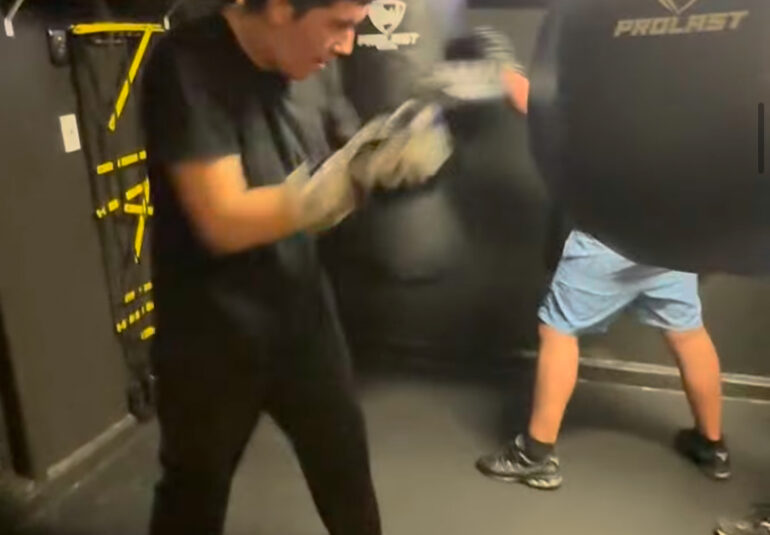
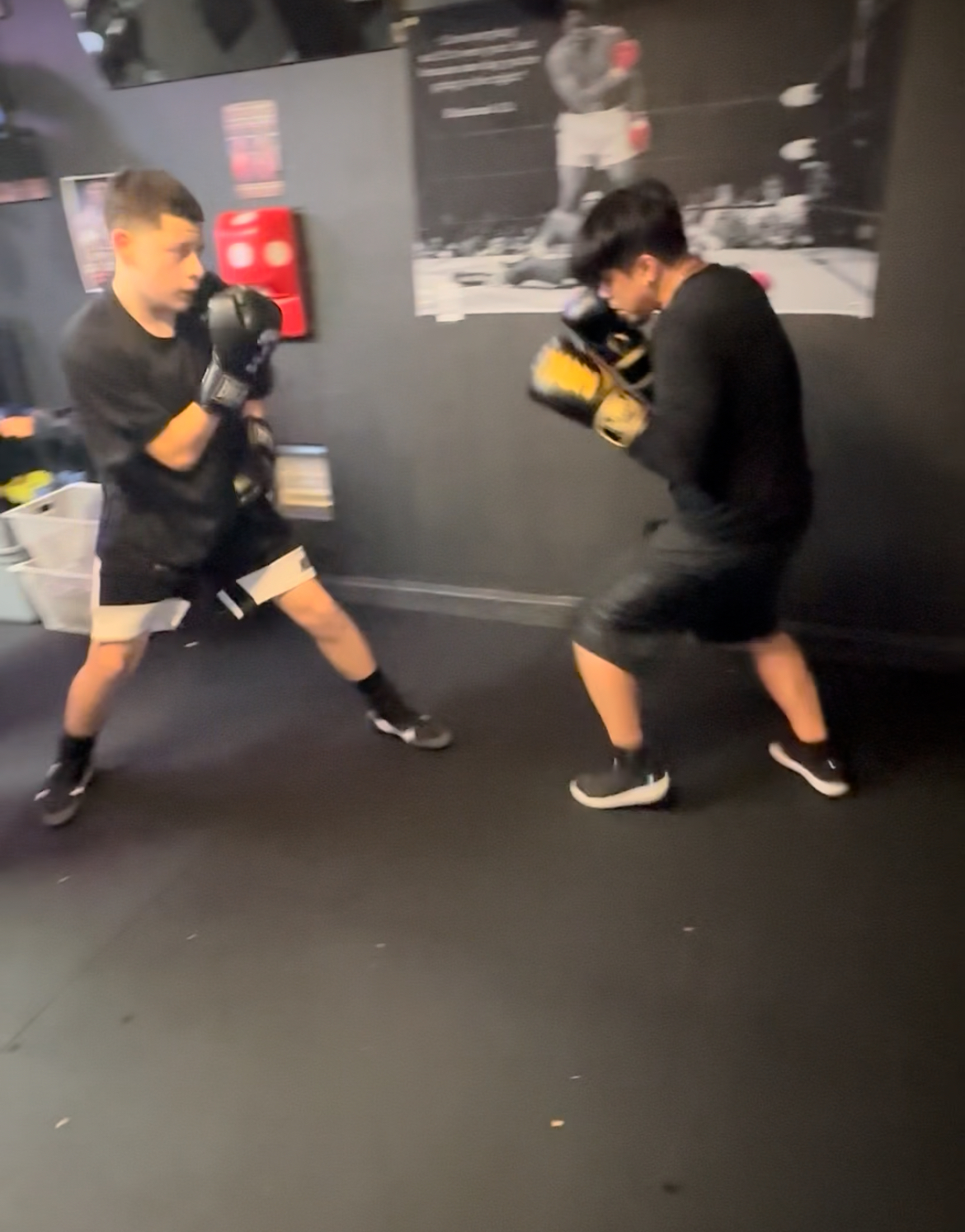
A quality amateur boxing program uses:
- Technical sparring
- Controlled rounds
- Skill-matched partners
- Coach supervision
This builds confidence, timing, and composure —
without unnecessary damage.

Conditioning for the Ring
Amateur bouts require sustained output and composure under fatigue.
Training includes:
- Interval conditioning
- Jump rope and movement
- Bag rounds with pacing
- Sport-specific endurance
Conditioning is built progressively to avoid burnout or injury.
Mental Preparation Is Just as Important
Amateur boxing teaches:
- Focus under pressure
- Emotional control
- Listening to the corner
- Learning from each round
These skills prepare fighters for competition —
and life beyond the ring.
Environment Makes the Difference
Training in a real boxing gym with experienced coaches creates accountability.
A proper environment includes:
- Clear expectations
- Respectful culture
- Serious training partners
- Coaches who prioritize development
This is where amateurs grow safely and confidently.
Start Amateur Boxing the Right Way
If you’re interested in amateur boxing in Las Vegas or Henderson,
start with fundamentals and structure.
Book a free boxing session at SotoBoxing.com/free-trial
Train smart. Build skill. Earn competition.